The Creative Dance of Time: Managing Your Life with Intention.
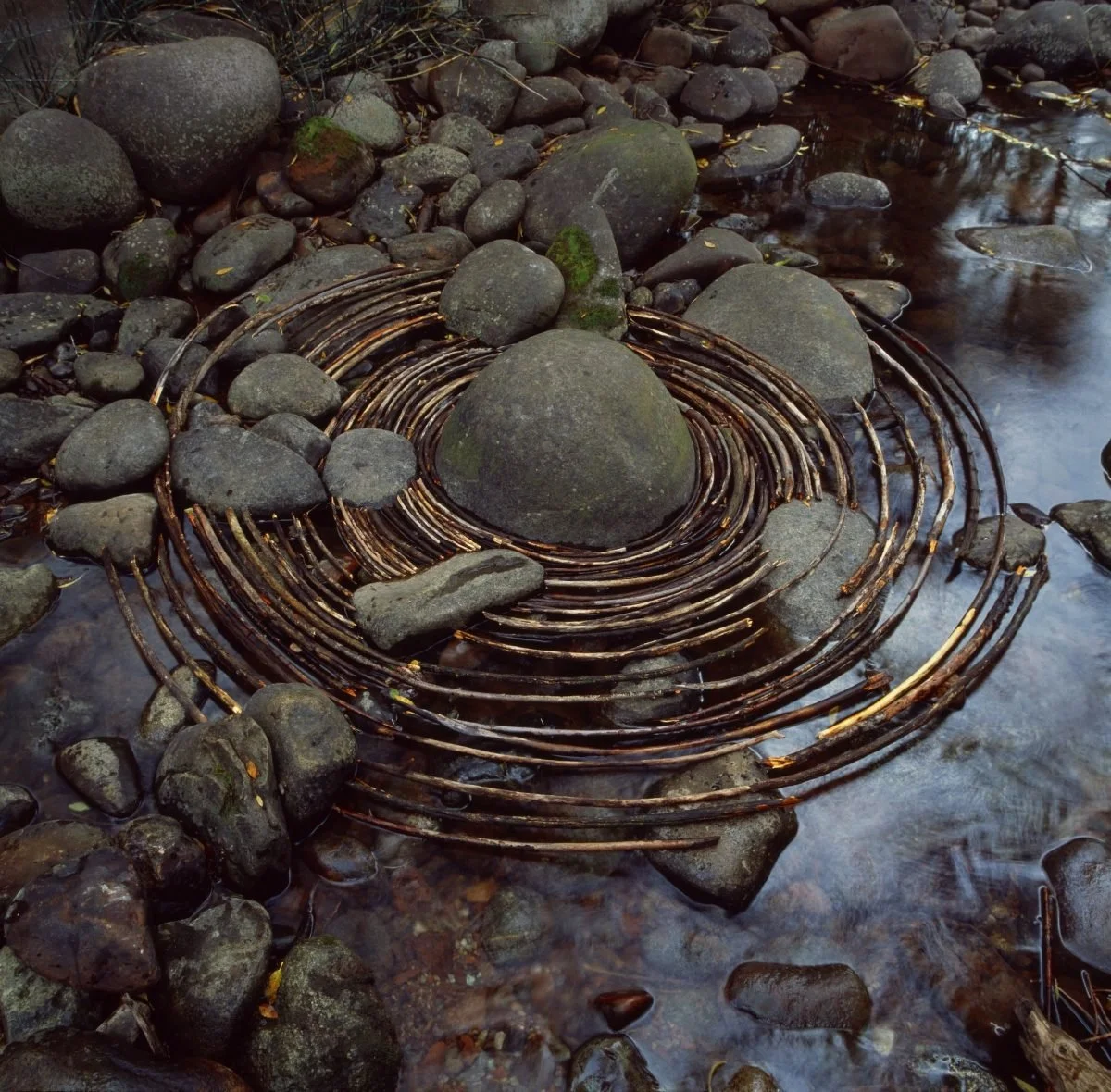
1 | The Significance of Time and the Cycle of Seasons
As the days stretch to their maximum and the duration of light in the northern hemisphere reaches its peak on the summer solstice, I often feel a slight nervousness. This anticipation reminds me that soon our days will begin to shrink. The solstices serve as powerful markers of time, evoking wishes for many joyous summers and beautiful, introspective winters.
Throughout history, civilisations have celebrated these transitions with bonfires and communal gatherings, igniting the largest logs to radiate warmth and togetherness. These moments of pause remind us of the passing of time, the rhythms of night and day, and the seasons that have always been foundational to life. Time is inscribed in the earth, in every living creature and plant, even in minerals. It resonates with our heartbeat, respiration, and the cycles of growth and decay, life and death.
The Modern Disconnection from Time
Unfortunately, in today's world, we are often less connected to these natural cycles. While many cultures still adhere to lunar calendars, our increasingly globalised existence diminishes our sense of time, making it feel insubstantial, and alienates us from a physical awareness of it. This disconnection, a collateral damage of progress, amplifies the dictates of production, competition, and achievement, obscuring our understanding of finitude, and blocking creative responses to our use of time.
As humans, we grapple with our mortality. In the Western world, death is often treated as an obscene subject, something to be hidden away. We can feel immortal in our youth but are jolted into the reality of time’s passage through accidents, illness, or the loss of loved ones. Wrinkles and aging bodies, rather than being markers of wisdom, are perceived as undesirable blemishes on our eternal, heroic selves.
This refusal to acknowledge time can lead to cycles of anxiety, workaholism, procrastination and a sense of being stuck—trapped in a hamster wheel of obligations.
The Creative Endeavour of Time Management
I believe that managing our time is a necessary creative endeavour that helps us become who we are and bestow our unique gifts upon others. To navigate the precious weeks gifted to us at our birth, we must embrace a discipline of presence. Philosophers and depth psychologists view time management not as an exercise with a planner, but as a discipline of presence. Instead of tracking seconds, they suggest being aware, and managing our anxieties, intentions, and subconscious. They view the relationship between fear, anxiety, and time as a psychological spectrum: fear is a reaction to a concrete present danger, while anxiety arises from projecting oneself into an uncertain future.
By transforming our relationship with time, we can use it as a tool for self-actualisation.
Join me tomorrow for a follow-up post on using astrology as a framework for time management!